Car, Pickup Truck, or SUV: Which One Is More Expensive To Maintain and Keep on the Road?
Choosing between a car, pickup truck, and SUV involves more than passenger space and cargo capacity. Vehicle size, weight, drivetrain design, tire dimensions, engine choice, and daily use all affect how much you may spend on maintenance and repairs.
In many cases, a smaller car costs less to keep on the road than a truck or large SUV. That does not mean every car is inexpensive or every truck is costly. A luxury sedan with complex electronics may require more attention than a basic pickup, while a compact SUV may have expenses close to those of a midsize car.
Cars Usually Have Lower Routine Service Costs
Passenger cars often use smaller engines, less fluid, lighter brakes, and smaller tires. An oil change may require fewer quarts, and replacement parts such as brake pads, rotors, shocks, and batteries may cost less than comparable components for a full-size truck.
Cars also place less weight on tires, suspension parts, and wheel bearings during normal driving. When used mainly for commuting, they may avoid the towing and hauling strain that accelerates wear on larger vehicles. Fuel use is commonly lower as well, although engine design and driving habits have a strong influence.
Pickup Trucks Carry Heavier And More Expensive Parts
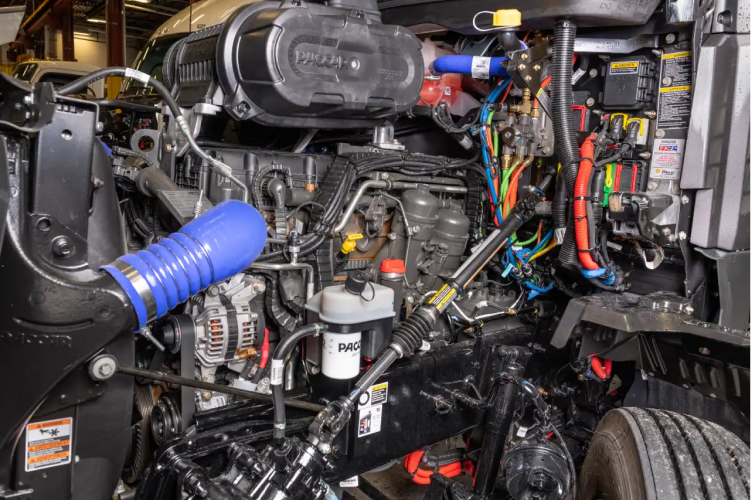
Pickup trucks are designed to carry cargo, pull trailers, and handle demanding work. That capability requires stronger frames, larger brakes, heavier suspension components, bigger tires, and more substantial driveline parts. Those components can cost more when replacement becomes necessary.
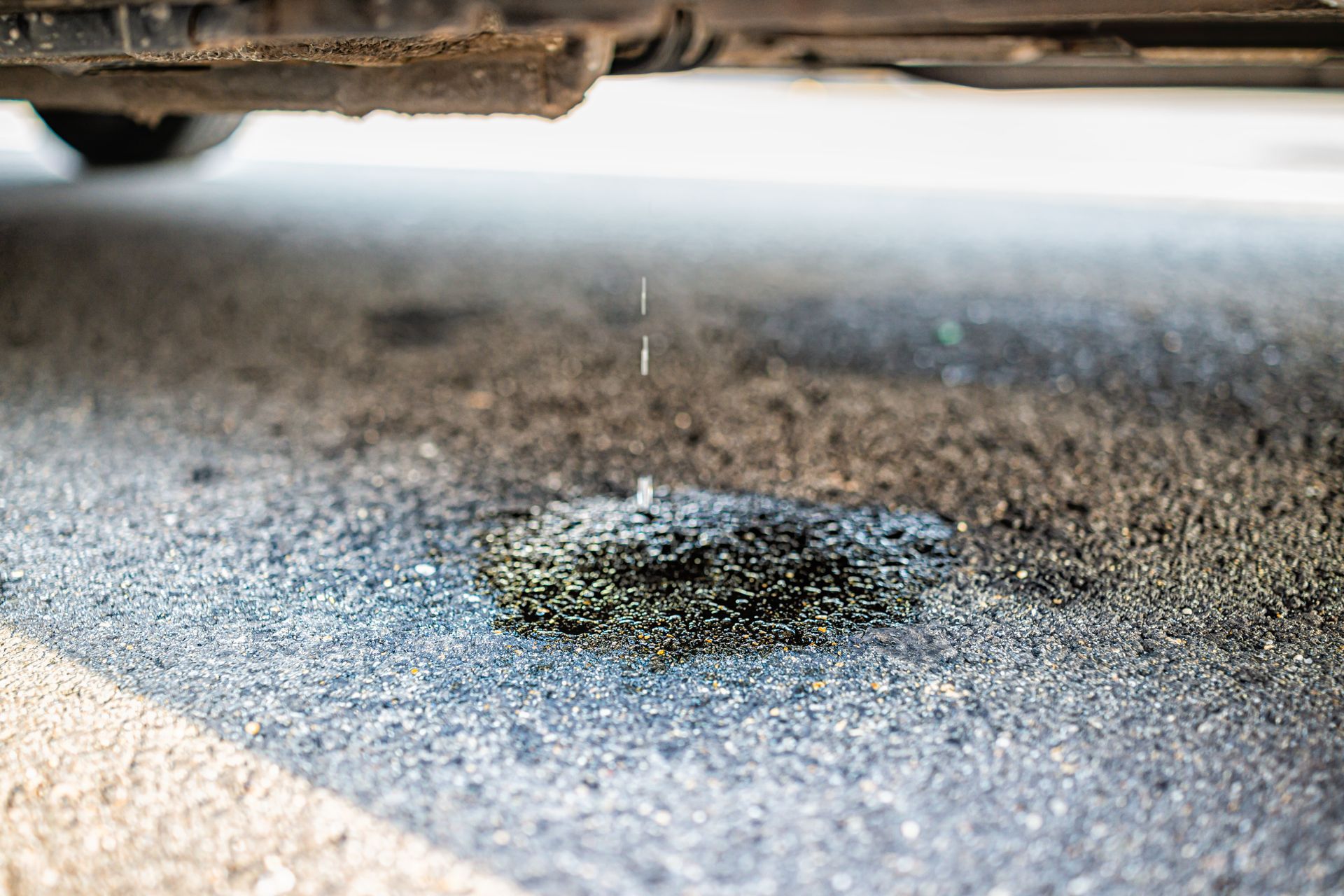
A truck may also hold more engine oil, coolant, transmission fluid, differential oil, and other service fluids. Four-wheel-drive models add a transfer case, front differential, driveshafts, hubs, and additional joints. Each part brings another fluid, seal, bearing, or electrical control that may eventually require service.
How the truck is used has a major impact. Frequent towing, plowing, off-road driving, and heavy cargo increase heat and stress throughout the vehicle. A lightly used pickup may need less repair work than one that operates near its limits every week.
SUV Costs Depend Heavily On Size And Design
SUVs range from small crossover models built on car-based platforms to large body-on-frame vehicles that share parts with pickup trucks. A compact crossover may use similar brakes, tires, engine parts, and suspension components as a sedan. Its maintenance costs may therefore remain fairly close to those of a car.
A large three-row SUV can be much more expensive. Heavy weight, four-wheel drive, large wheels, air suspension, towing equipment, and powerful engines all increase repair and service costs. Luxury features such as adaptive dampers, power running boards, panoramic roofs, and advanced driver-assistance systems can add further expense as the vehicle ages.
Tires And Brakes Create Noticeable Cost Differences
Tires are one of the clearest differences among vehicle types. Cars often use smaller, lighter tires that cost less to purchase and mount. Trucks and large SUVs commonly need taller, wider, and more heavily rated tires. Off-road, all-terrain, and load-range tires can increase the price considerably.
Brakes follow the same pattern. Heavier vehicles need larger rotors, pads, calipers, and wheel bearings to control their weight. Towing and carrying cargo can increase brake temperatures and shorten service life, especially in hilly driving.
A driver who chooses oversized aftermarket wheels may face even higher costs. Larger wheel and tire packages can increase weight, change ride quality, and place extra strain on suspension and steering parts. Keeping factory-appropriate sizes often supports better tire life and predictable handling.
Fuel And Drivetrain Costs Add Up Over Time
A heavier vehicle usually requires more energy to accelerate and maintain speed. Pickup trucks and large SUVs commonly use more fuel than cars, particularly during city driving. Towing, roof cargo, aggressive tires, and extended idling can raise consumption further.
Four-wheel-drive and all-wheel-drive systems also require attention. Transfer case fluid, differential oil, driveshaft joints, axle seals, and electronic couplings may need inspection or service. Matching tire size and tread depth is especially important because large differences can place continuous strain on these systems.
Cars are not automatically simple. Turbochargers, dual-clutch transmissions, all-wheel drive, hybrid components, and luxury suspension systems can make a smaller vehicle expensive to maintain. The actual design is more important than the body shape alone.
Insurance And Body Repair Can Change The Total Cost
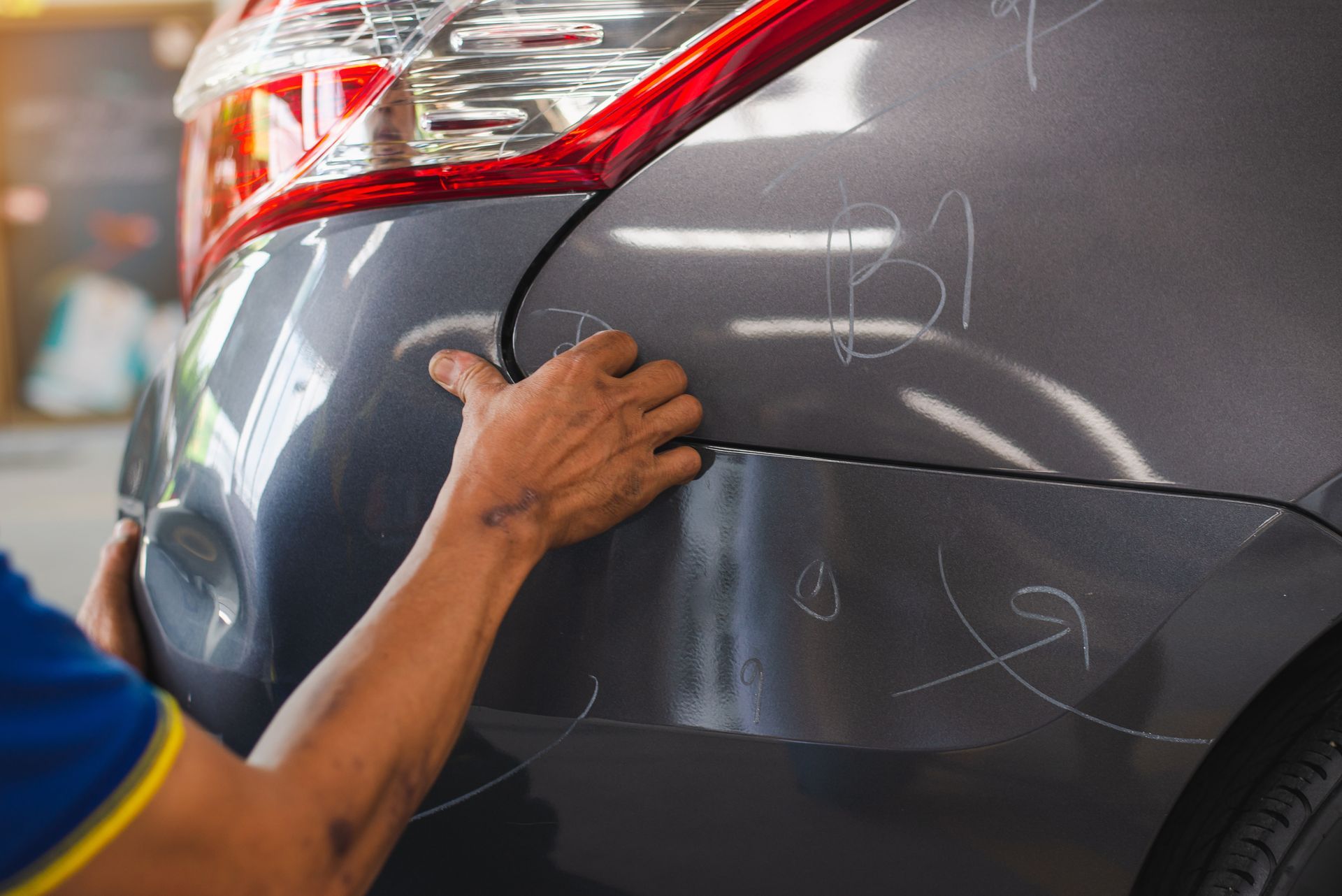
Keeping a vehicle on the road includes more than mechanical service. Body repair costs can vary based on material, paint finish, lighting technology, sensors, cameras, and replacement panel size. A large truck bumper may cost more to replace, while a luxury car headlight or calibrated camera can also create a substantial bill.
Trucks and SUVs often have higher purchase values and larger body panels. Cars may be less costly to repair after a minor impact, but that depends on the model and available parts. An inspection after a collision should include hidden brackets, cooling components, suspension points, and driver-assistance sensors rather than only visible damage.
Which Vehicle Type Is Usually Least Expensive?
A basic compact or midsize car is often the least expensive choice for commuting and ordinary daily use. It generally requires smaller tires, less fuel, fewer fluids, and lighter replacement parts. A compact crossover may come close while offering more interior room.
Pickup trucks and large SUVs usually cost more, but they may be the right choice when their towing, cargo, passenger, or off-road capability is genuinely needed. Buying more vehicle than your daily use requires can lead to years of higher fuel, tire, brake, and repair expenses.
The best comparison considers the exact model, engine, drivetrain, service history, mileage, and expected workload. Regular maintenance can reduce unexpected expenses for any vehicle, but size and complexity still influence long-term ownership costs.
Get Car, Truck, And SUV Service In Cannon Falls, MN, With Nate's Garage - Auto & Body Shop
Nate's Garage - Auto & Body Shop in Cannon Falls, MN, can maintain and repair cars, pickup trucks, and SUVs while helping you understand the needs of your specific vehicle.